

For generations, the process of buying and selling a home never really changed. A homeowner would try to estimate the market value of their house, then tack on a little extra to give themselves some negotiating room. That figure would become the listing price. Buyers would then try to determine how much less than the full price they could offer and still get the home. As a result, the listing price was generally the ceiling of the negotiation. The actual sales price would almost always be somewhat lower than what was listed. It was unthinkable to pay more than what the seller was asking.
Today is different.
The record-low supply of homes for sale coupled with very strong buyer demand is leading to a rise in bidding wars on many homes. Because of this, homes today often sell for more than the list price. In some cases, they sell for a lot more.
According to Lawrence Yun, Chief Economist at the National Association of Realtors (NAR):
“For every listing there are 5.1 offers. Half of the homes are being sold above list price.”
You may need to change the way you look at the asking price of a home.
In this market, you likely can’t shop for a home with the former approach of negotiating to a lower price.
Due to the low supply of houses for sale, many homes are now being offered in an auction-like atmosphere in which the highest bidder wins the home. In an actual auction, the seller of an item agrees to take the highest bid, and many sellers set a reserve price on the item they’re selling. A reserve price is the minimum amount a seller will accept as the winning bid.
When navigating a competitive housing market, think of the list price of the house as the reserve price at an auction. It’s the minimum the seller will accept in many cases. Today, the asking price is often becoming the floor of the negotiation rather than the ceiling. Therefore, if you really love a home, know that it may ultimately sell for more than the sellers are asking. So, as you’re navigating the homebuying process, make sure you know your budget, know what you can afford, and work with a trusted advisor who can help you make all the right moves as you buy a home.
Bottom Line
Someone who’s more familiar with the housing market of the past than that of today may think it’s foolish to offer more for a home than the listing price. However, frequent and competitive bidding wars are creating an auction-like atmosphere in many real estate transactions right now. Let’s connect today so you have a trusted real estate professional on your side to provide the best advice on how to make a competitive offer on a home.
To view original article, visit Keeping Current Matters.

Most Home Sales Close – Here’s How To Keep Yours on Track
Some reasons are outside a seller’s control, like whether a buyer’s loan clears or whether they sell their own home in time. But there are a few proactive things you can do to help make sure your sale goes as smoothly as possible.

Selling a Luxury House? Here’s Why Now Is a Good Time
High-end buyers tend to feel less of the affordability pressure weighing on many households today, so they keep buying even when the wider market slows.
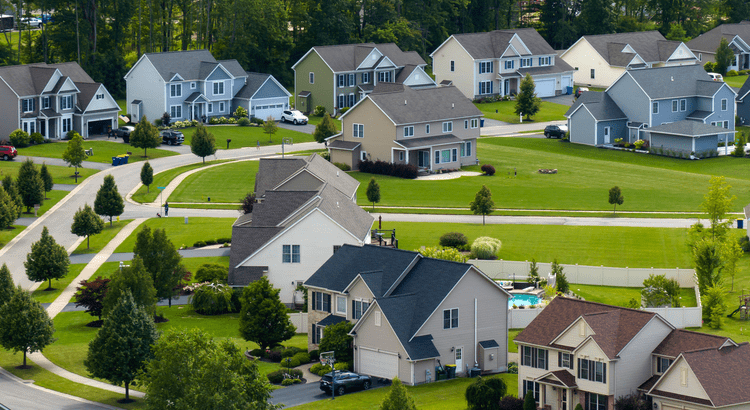
More Homes, Better Prices: A Buyer’s Summer
Sellers are reading market conditions and are pricing accordingly from the start rather than listing high and cutting later, and buyers are taking note and making bids.

The “Take It or Leave It” Attitude Is Fading from the Market – What That Means for You
That’s why whether you’re buying or selling today, there are two terms you’ll hear a lot: concession and incentive.
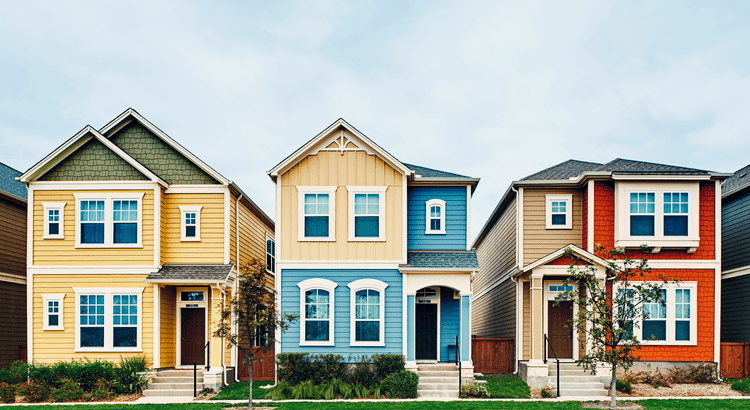
What Buying or Selling a Home Gives Back to Your Community
Want to know what a move would mean where you live? A local agent can show you the figure close to home.
The 1 Factor That Explains Everything Happening with Home Prices Right Now
The national average of 1.7% price growth is accurate, but it’s an average of two very different stories happening at the same time – the few areas experiencing mild declines and the overwhelming majority that are still seeing prices rise.