
"The housing market today is anything but normal, and it’s still an incredibly strong sellers’ market."
As you follow the news, you’re likely seeing headlines discussing what’s going on in today’s housing market. Chances are high that some of the more recent storylines you’ve come across mention terms like cooling or slowing when talking about where the market is headed.
But what do these terms mean? The housing market today is anything but normal, and it’s still an incredibly strong sellers’ market, especially when compared to the few years leading up to the pandemic. With that in mind, what can previous years tell us about today’s real estate market and if it’s truly slowing?
We’re Still Seeing an Above Average Number of Sales
You may see headlines about a drop in home sales. But are those headlines telling the full story? The most recent Existing Home Sales Report from the National Association of Realtors (NAR) does show a drop of about 2% from July to August. But the month-over-month decline doesn’t provide the full picture (see graph below):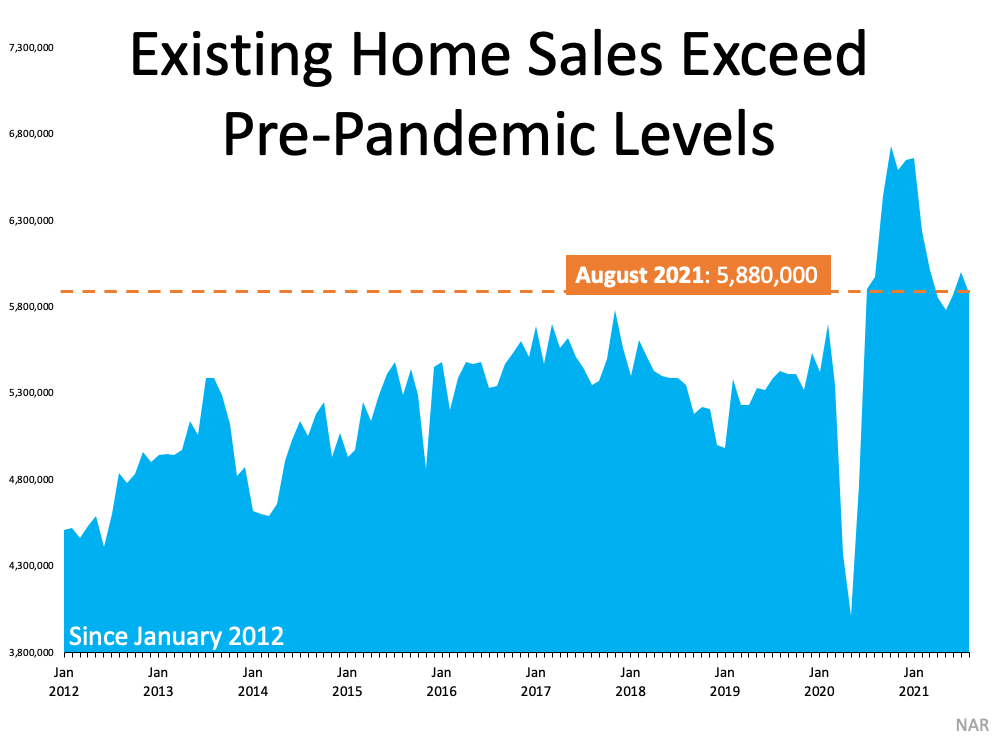 As the graph shows, historical context is key. Today’s home sales are well ahead of some of the more normal years that led up to the health crisis. That means buyers are still in the market, which is great news if you’re planning to list your home.
Houses Are Selling Faster Than Usual
When headlines mention the market is slowing, sellers may naturally wonder if their house will sell as quickly as they’d like. According to the most recent Realtors Confidence Index from NAR, homes are still selling at record speed (see graph below):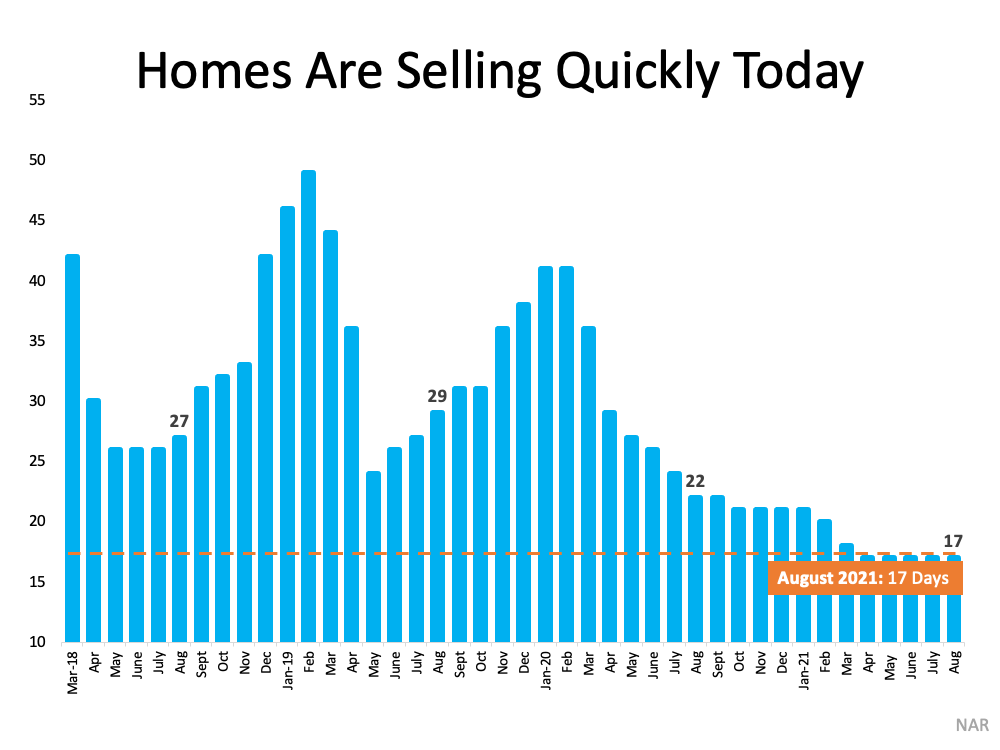 Again, if we look back at data from previous years, we can see the average time on market – 17 days – means homes are selling faster than a normal pace.
Bidding Wars Are Still the Norm
The Realtors Confidence Index from NAR also shows a drop in the average number of offers homes are receiving in August, and many headlines may simply focus there without providing the important context (see graph below):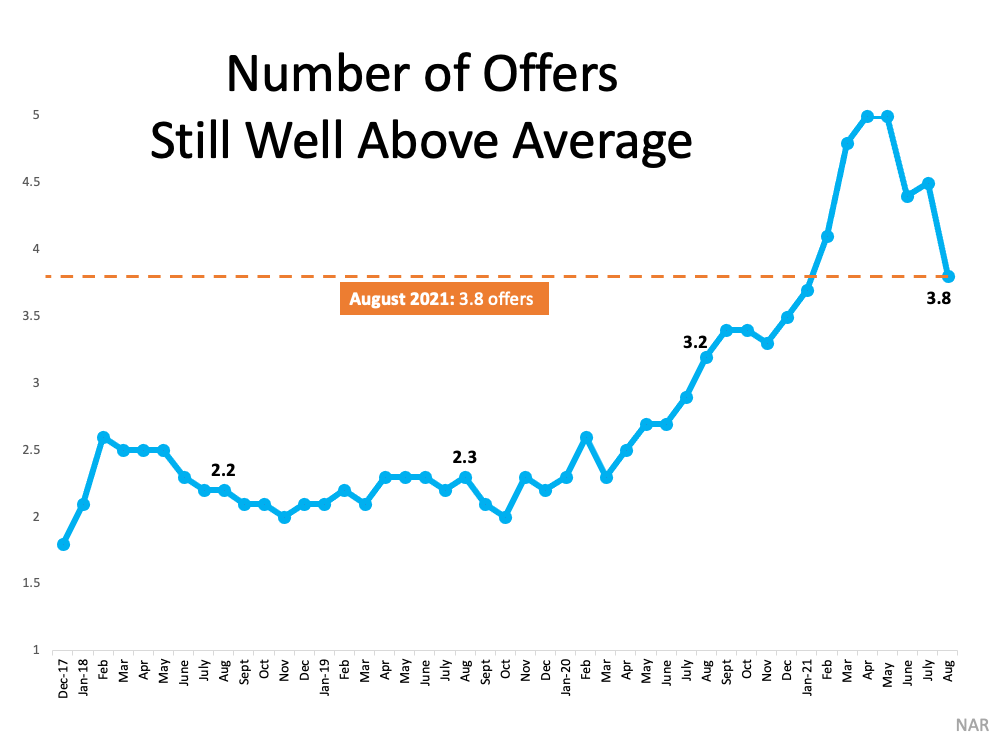 Again, it’s important to compare today’s market to trends from recent years. Currently, the average number of offers per listing is higher than 39 of the previous 45 months. That means the likelihood of a bidding war on your home is still high. And the number of offers your house receives can have a major influence on the final sale price.
So, Is the Market Slowing Down?
While there are slight declines in various month-to-month data, it’s important to keep historical context in mind when determining what’s happening in today’s market. Odeta Kushi, Deputy Chief Economist at First American, put it best recently, saying:
“It’s not the white-hot market from earlier in the year & it’s not the 2020 market benefiting from a wave of pent-up demand but make no mistake this is still a hot housing market.”
Bottom Line
Don’t let headlines make you rethink listing your home this fall. Selling today means you can still take advantage of high buyer demand, multiple offers, and a quick sale. If you’re thinking of selling your house, let’s connect and discuss why this fall is the perfect time to do so.
To view original article, visit Keeping Current Matters.

Most Home Sales Close – Here’s How To Keep Yours on Track
Some reasons are outside a seller’s control, like whether a buyer’s loan clears or whether they sell their own home in time. But there are a few proactive things you can do to help make sure your sale goes as smoothly as possible.

Selling a Luxury House? Here’s Why Now Is a Good Time
High-end buyers tend to feel less of the affordability pressure weighing on many households today, so they keep buying even when the wider market slows.
More Homes, Better Prices: A Buyer’s Summer
Sellers are reading market conditions and are pricing accordingly from the start rather than listing high and cutting later, and buyers are taking note and making bids.

The “Take It or Leave It” Attitude Is Fading from the Market – What That Means for You
That’s why whether you’re buying or selling today, there are two terms you’ll hear a lot: concession and incentive.
What Buying or Selling a Home Gives Back to Your Community
Want to know what a move would mean where you live? A local agent can show you the figure close to home.
The 1 Factor That Explains Everything Happening with Home Prices Right Now
The national average of 1.7% price growth is accurate, but it’s an average of two very different stories happening at the same time – the few areas experiencing mild declines and the overwhelming majority that are still seeing prices rise.